


 Currencies
 How to care for your products – care guide
Guide
Good handles, door handles and accessories last for years. All it takes is a few simple habits. Below you'll find the key rules and tips for every material we sell.
Care details for each product are also always given in its description.

Rules for all materials
6 things worth remembering
01
A soft cloth
Cotton or microfibre. Abrasive sponges, scourers and brushes scratch any surface.
02
Lukewarm water and washing-up liquid
A drop of mild washing-up liquid is enough for everyday cleaning of most products.
03
Wipe dry
Water droplets leave marks and residue. After washing, always wipe the product with a dry cloth.
04
No harsh chemicals
Vinegar, citric acid, bleach, ammonia, solvents and cream cleaners damage the finish.
05
Test first
Try any new product on a hidden spot first, e.g. the underside of a knob.
06
Tighten the screws
Handles and door handles loosen from time to time. Tighten them by hand, not with a power drill.
Choose a material
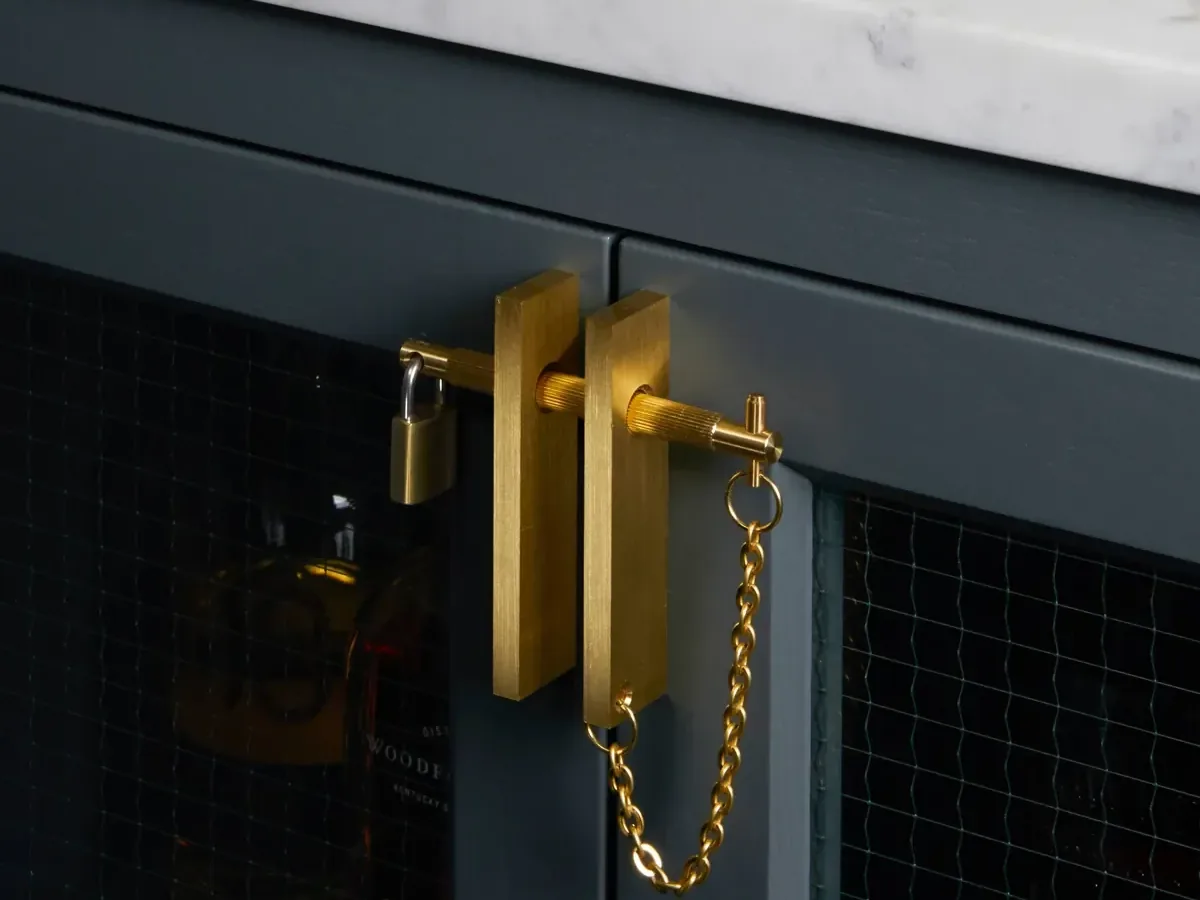
Pictured: Precious Bar 70 handle with lock, brass
How to clean brass and copper
Brass and copper come in several finishes. How you care for them depends on whether the surface is lacquered or raw (unlacquered). You'll find this in the product name or description.
How to clean
- Lacquered: only lukewarm water with washing-up liquid and a soft cloth. Don't polish – polish will wear the lacquer off.
- Unlacquered: they darken over time and develop a patina. This is a natural process. If you want to bring back the shine, use a metal polish such as PUTS.
- Brushed: wipe in the direction of the brushing so you don't leave shiny streaks.
- Apply the product to a damp cloth, rinse with lukewarm water and wipe dry straight away. Wear gloves.
Avoid: Toothpaste, bicarbonate of soda, vinegar, salt and lemon scratch and discolour brass. We don't recommend home remedies.
See in the shop
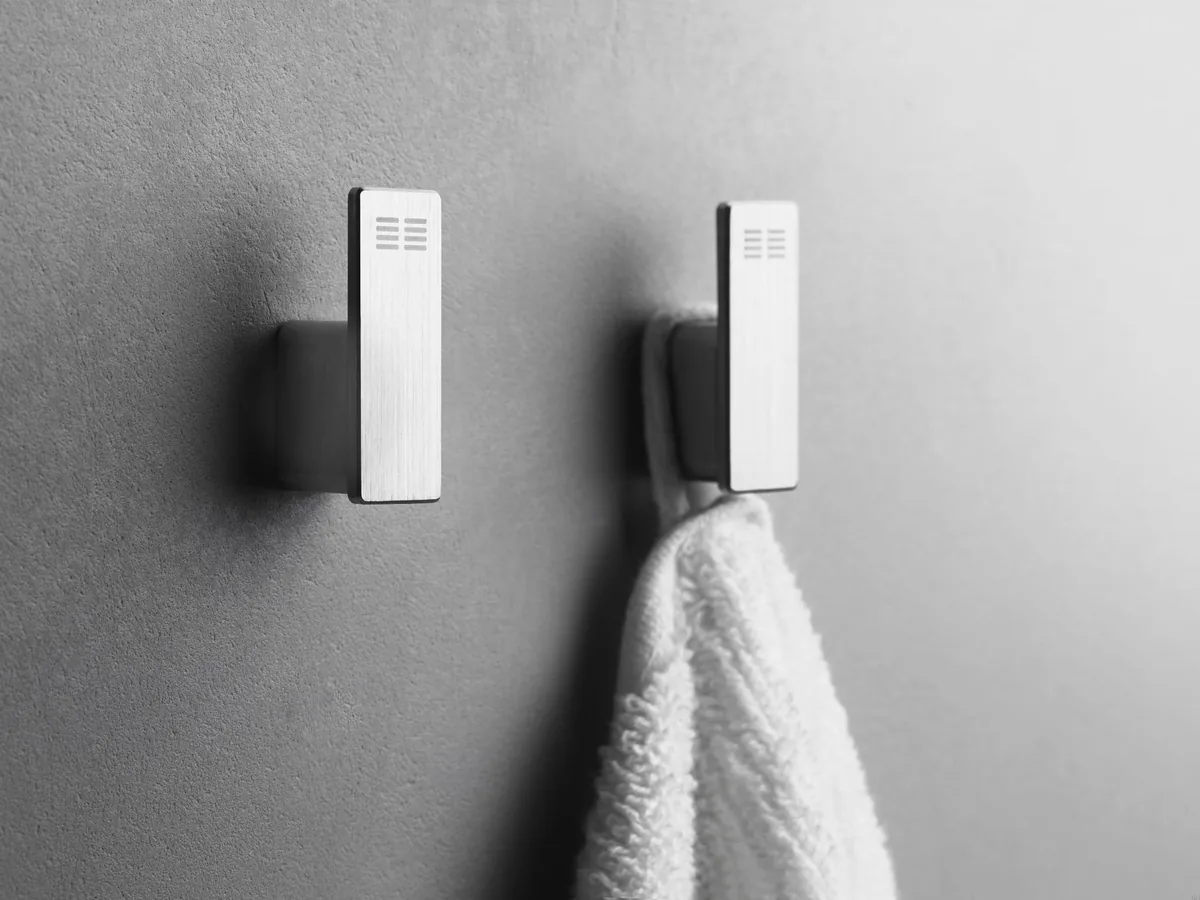
Pictured: 7070 wall hooks, brushed steel
How to clean stainless steel
Stainless steel is tough, but it doesn't like bleach or salt. Fingerprints and water marks come off in seconds.
How to clean
- Every day: a damp cloth with a drop of washing-up liquid, then wipe dry.
- Wipe along the grain – this keeps the surface even.
- Remove water marks with a stainless steel cleaner or metal polish.
Avoid: Scourers and steel wool leave iron particles that later rust. Also avoid products containing bleach.
See in the shop
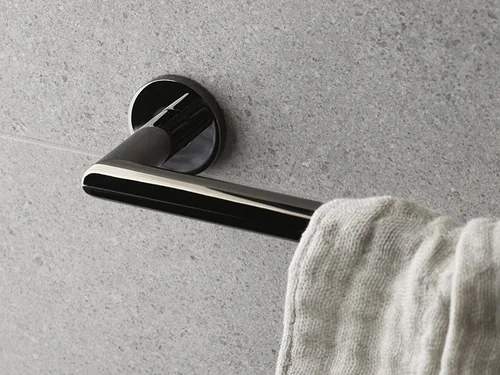
Pictured: TA211 towel rail, black chrome
How to clean chrome and nickel
Chrome and nickel are thin coatings on metal. They stay shiny as long as you don't scratch them.
How to clean
- Water with washing-up liquid, a soft cloth, then wipe dry.
- In the bathroom, wipe dry after use – it's the simplest way to prevent limescale.
- Use descalers only if the manufacturer allows it. Rinse them off straight away.
Avoid: Cream cleaners and polishing pastes dull the coating, and damaged chrome can't be repaired at home.
See in the shop
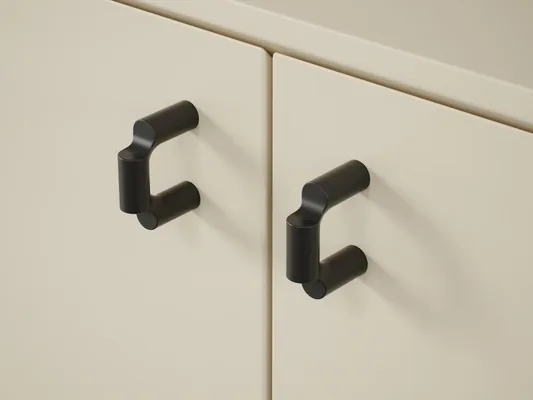
Pictured: Break 32 knob, matte black
How to clean black and coloured handles
This applies to powder-coated, enamelled, anodised (aluminium) and PVD-coated surfaces. The colour is on the surface, so be gentle.
How to clean
- Only lukewarm water with washing-up liquid and a soft cloth.
- Wipe matte surfaces without pressing – rubbing can make them shiny.
- Remove greasy marks with washing-up liquid, not solvents.
Avoid: Don't use metal polish, acetone or nail polish remover – they will dull the finish or strip the colour.
See in the shop
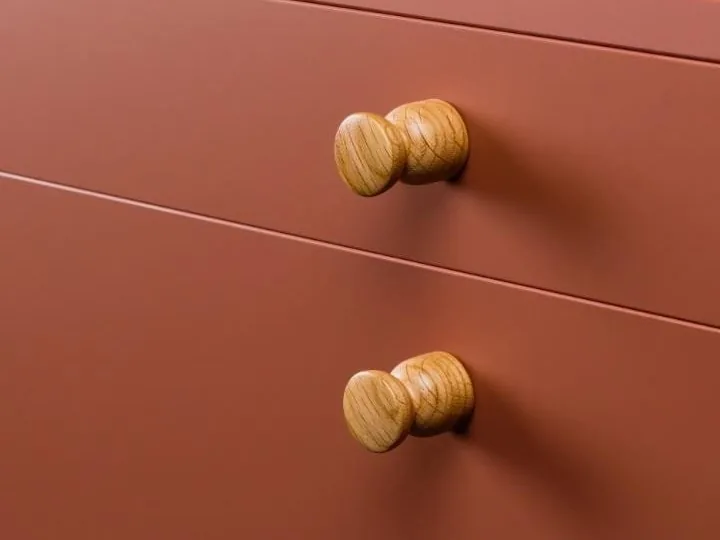
Pictured: Piece 25 knob, oak
How to care for wooden handles
Wood is a living material: it reacts to moisture and its colour changes slightly over time.
How to clean
- Wipe with a dry or slightly damp cloth. Don't soak it.
- Refresh oiled wood every few months with wood oil or wax.
- Lacquered wood just needs wiping – don't oil it.
Avoid: Prolonged contact with water and harsh cleaning products.
See in the shop
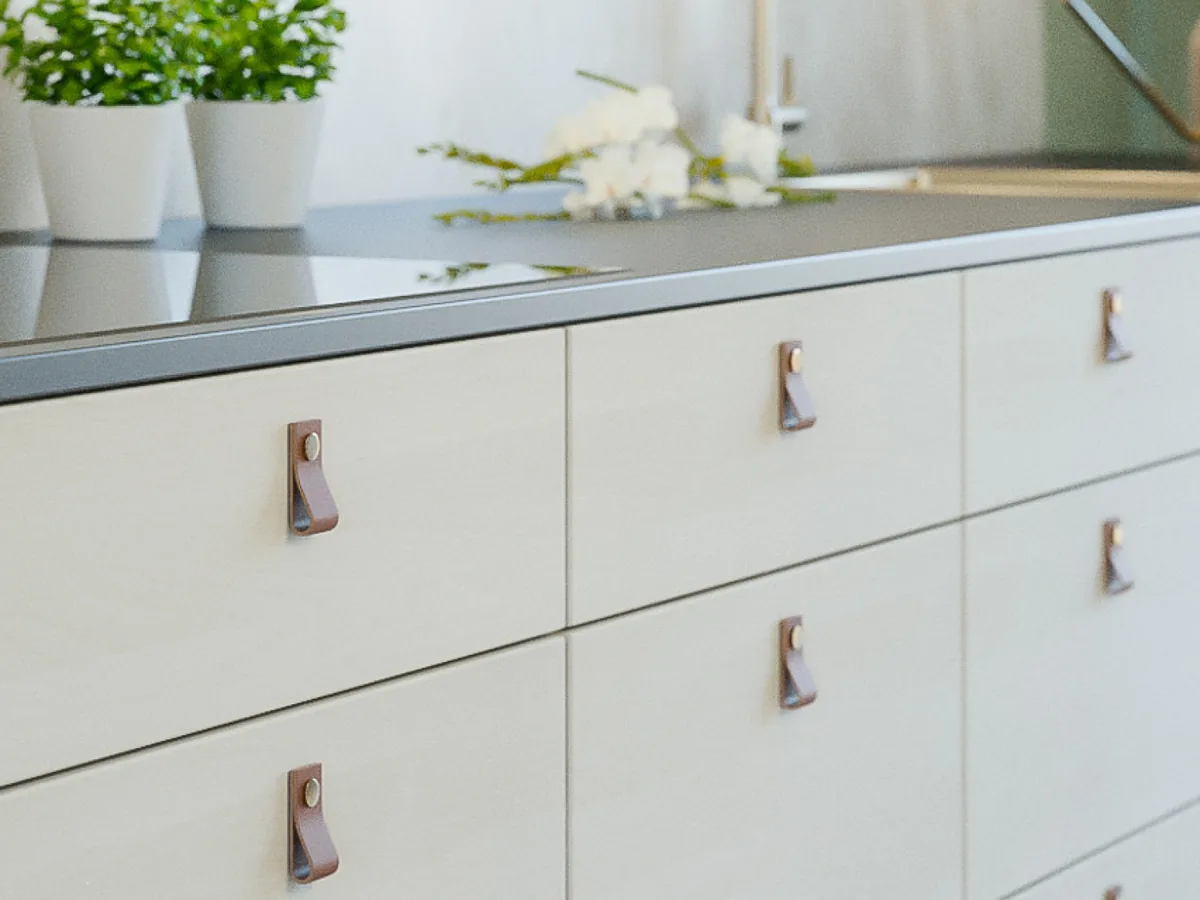
Pictured: Loop 65 leather knob, brown with gold
How to care for leather handles
Our leather handles are usually vegetable-tanned. Over time they darken and gain character from being handled.
How to clean
- Remove dust and marks with a dry, soft cloth.
- Every few months you can apply a thin layer of leather balm.
- Leave wet leather to dry at room temperature, away from radiators.
Avoid: Don't wash or soak leather. Avoid greasy creams and products containing alcohol.
See in the shop
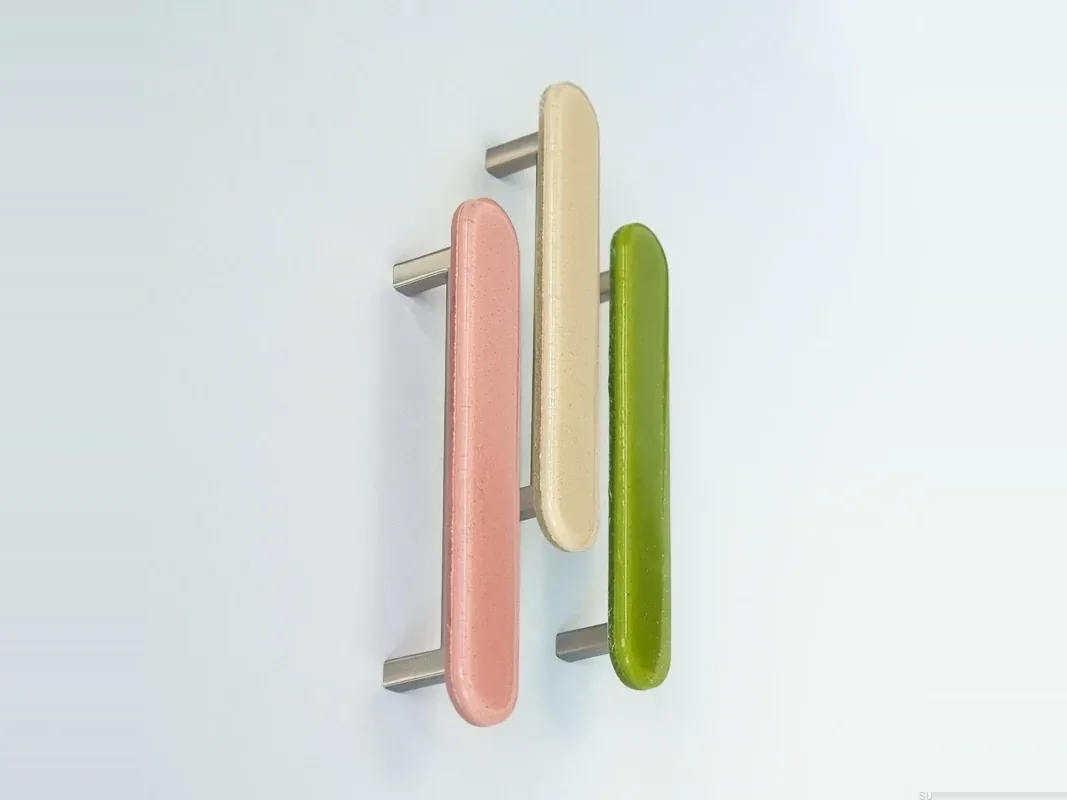
Pictured: Round 128 handle, pink glass
How to clean ceramic, porcelain and glass
These materials are hard and easy to clean, but they don't like knocks.
How to clean
- Water with washing-up liquid or glass cleaner, then wipe dry.
- Wipe decorations and gilding gently, without scrubbing.
Avoid: Watch out for knocks – porcelain and glass can chip.
See in the shop
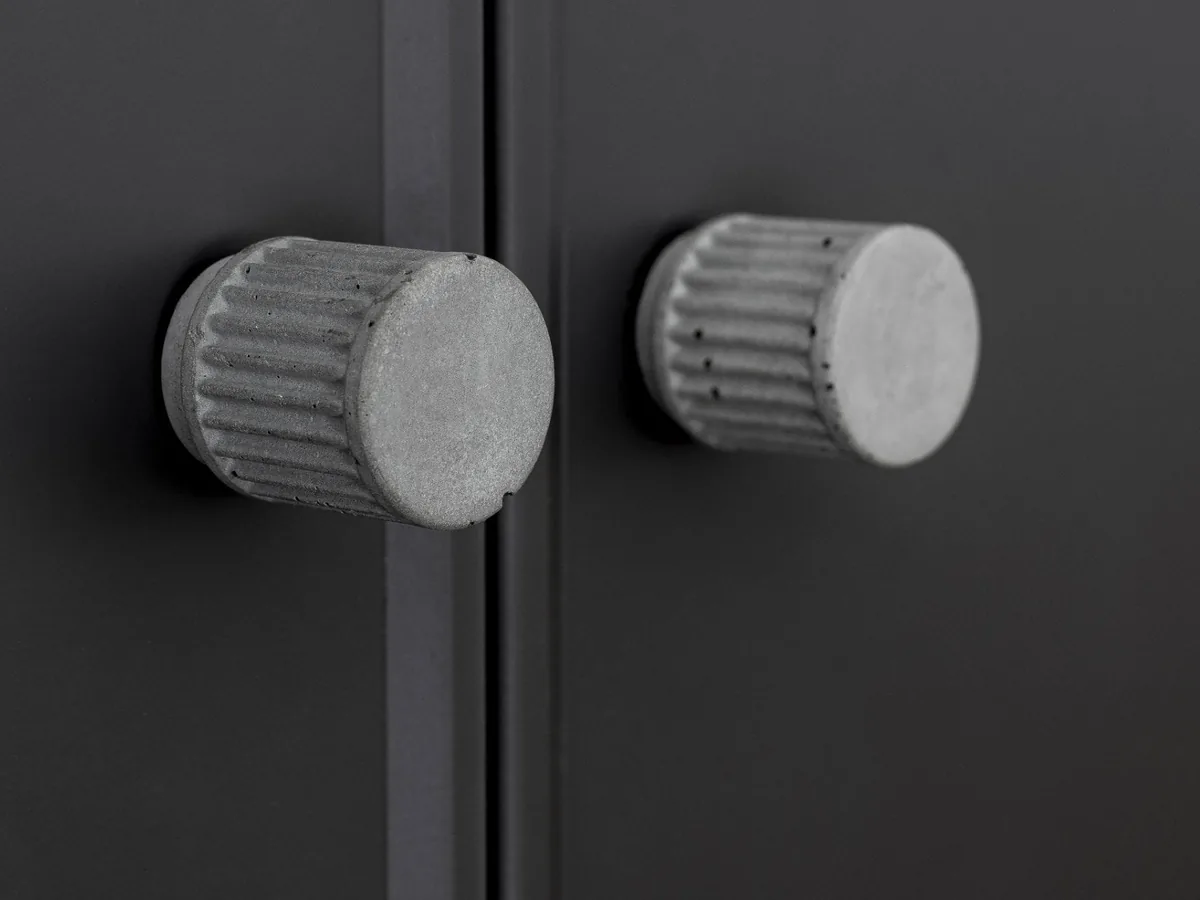
How to clean marble, stone and concrete
Marble is sensitive to acids. Vinegar, lemon juice or wine can leave dull marks.
How to clean
- Wipe with a damp cloth and wash with pH-neutral products.
- Wipe up spills straight away.
- From time to time you can protect the surface with a stone sealer.
Avoid: Don't use acidic products, descalers or cream cleaners.
See in the shop
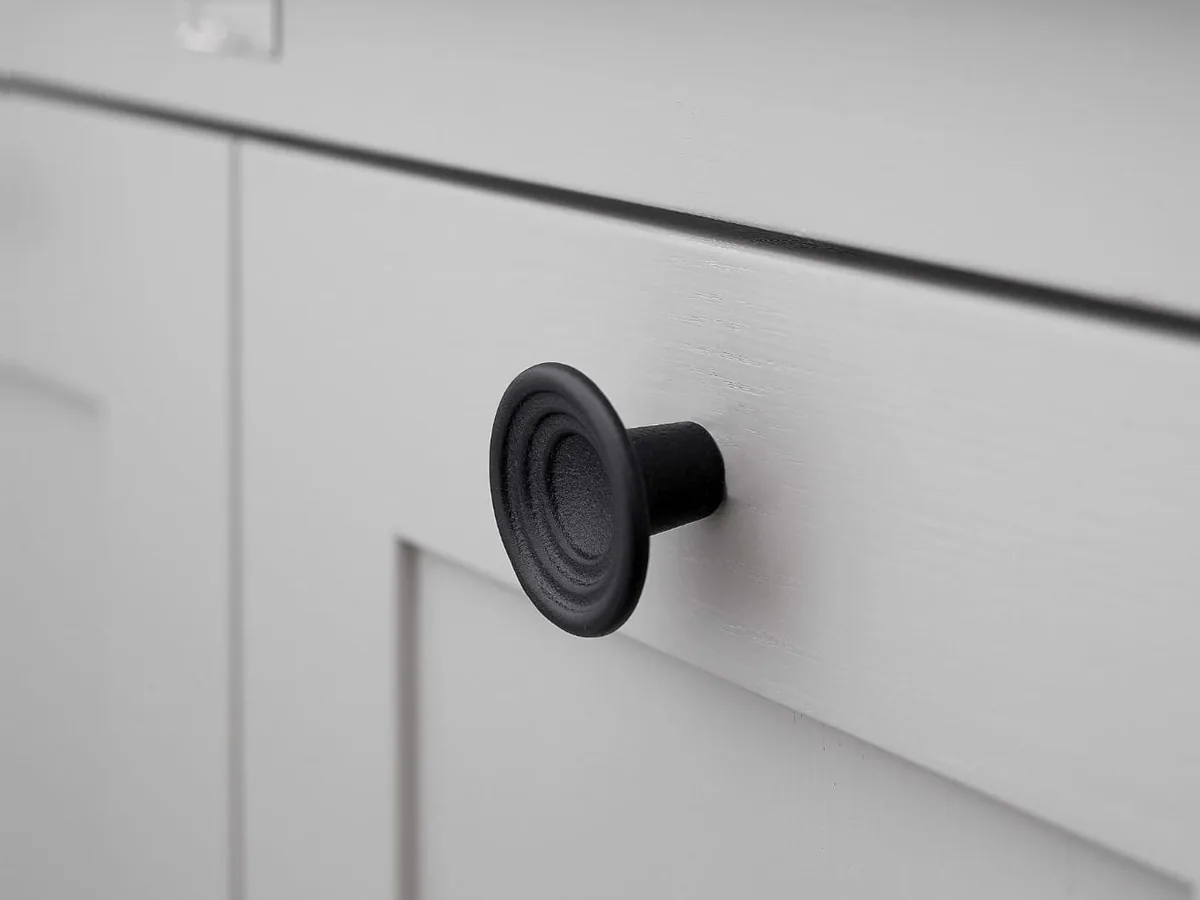
Pictured: Fleur 46,1 knob, matte black cast iron
How to care for cast iron
Cast iron is solid and durable, but a film of rust can appear in damp conditions.
How to clean
- Wipe dry.
- Remove the rust film with a soft brush. Then apply a thin layer of oil or wax.
Avoid: Soaking and leaving water on the surface.
See in the shop
We recommend
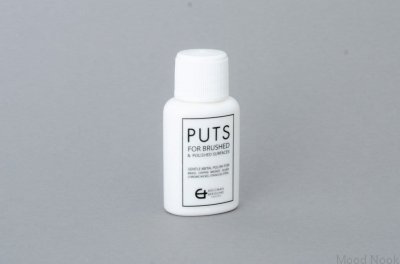
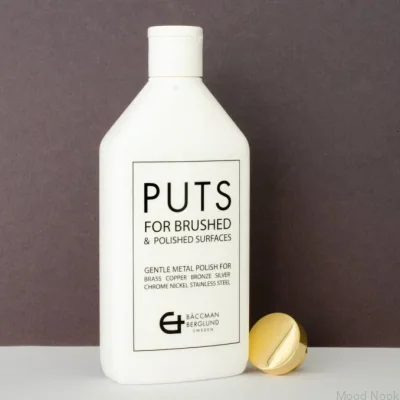
Metal care products
PUTS cleans brass, copper, stainless steel, chrome, nickel and aluminium. It is suitable for polished and brushed surfaces. Don't use it on lacquered or painted metals. You'll find all care products in the Handle cleaning category.
FAQ
Frequently asked questions
Is patina on brass a defect?
How do I know if my product is lacquered?
Can I clean handles with vinegar or lemon?
How often should I clean handles and door handles?
A handle has come loose. What should I do?
Not sure how to care for your product?
Email us at info@moodnook.com with the product name – we'll help.